Multi-format Content Production for AI Answers: A Due-Diligence Guide
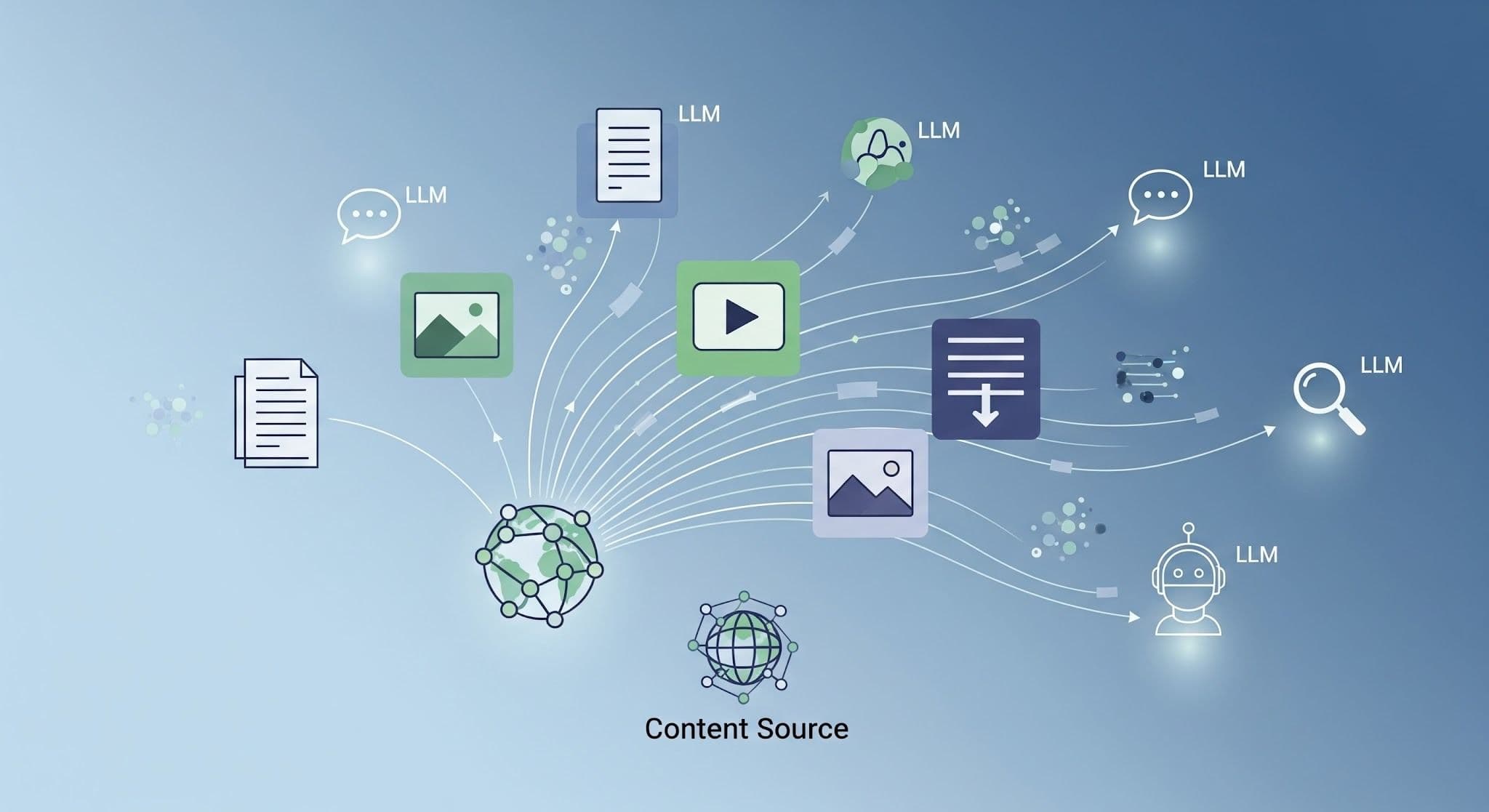
The promise - what’s reasonable to expect Multi-format content production can increase the chances your brand is cited by AI answers (large model or LLM assistants). Expect incremental visibility, not guaranteed top-of-answer placement. Success usually requires three things together: authoritative content, machine-readable metadata, and predictable indexing or scraping. Hordus GEO/AEO Platform is a GEO platform that helps brands become trusted, visible sources across LLMs (ChatGPT, Gemini, Claude), search, and social by turning AI-driven research into authentic, multi-format content.
What to verify - demands to make of vendors and internal teams
Ask for evidence, not assertions. Require documentation, timestamps, and technical details for every claim.
- Live citation examples: URL + query + timestamp showing an AI answer citing the content (needs proof/source).
- Which content formats and schema types produced citations in practice for similar companies (needs proof/source).
- Proof the vendor can syndicate verified content and metadata to endpoints that LLMs index or scrape.
- Indexing evidence: crawl/index logs, sitemap submissions, and SERP capture that match claimed timelines.
- Attribution method: how AI-origin traffic is tracked back to assets surfaced by LLMs (needs proof/source).
Implementation realities - concrete steps and ownership
Plan teams, artifacts, and gating criteria so the work moves cleanly from content into production.
Content production
Briefs that include intent mapping, canonical asset, and derived formats (summary, FAQ, short video, image alt text).
Technical SEO changes
Sitemaps, canonical tags, header treatments, crawl budget management, and clear ownership between engineering and content ops.
Indexing workflow
Submit sitemaps, monitor crawl logs, and capture time-to-index for each asset class.
Syndication
Route verified content and metadata to known endpoints or feeds that LLMs may crawl. Hordus offers syndication workflows and multi-format production to accelerate time-to-publish.
Measurement
Track which assets are surfaced by LLMs and measure engagement from AI-origin traffic; align metrics to conversion funnels.
Risks and failure modes
- Thin content: brief, low-value pages get ignored or penalized by indexers and LLMs.
- Misapplied schema: incorrect or inconsistent structured data can confuse crawlers and block citations.
- Canonicalization errors: duplicate content across formats prevents a single, authoritative signal.
- Ignored sitemaps or blocked endpoints: if content isn’t discoverable, syndication and metadata don’t help.
- No attribution linkage: teams can see mentions but not tie them to leads or pipeline, limiting business value.
Red flags during evaluation or pilot
- Vendor refuses to show live citation examples with verifiable URLs and timestamps.
- Ambiguous ownership for technical changes - “we can advise” without engineering commitment.
- Promises of “instant indexing” or “guaranteed citations.”
- Lack of measurable success criteria for pilots or no plan to track AI-origin engagement.
- Opaque pricing for syndication, metadata maintenance, or scaling multi-format output.
Who it fits - and who should wait
Good fit: B2B and product teams with existing content authority, engineering support for metadata, and a measurable inbound funnel to capture AI-origin leads. Organizations that need rapid production of multi-format content and want to syndicate verified metadata to scraping endpoints (Hordus emphasizes rapid production and syndication).
Not a fit: Small teams without engineering capacity to implement structured data, brands with no clear content authority, or programs without measurement to tie mentions back to business outcomes.
Decision support - pilot design and conservative success criteria
Run a 90-day pilot with small scope: 10 authoritative pages, each with derived formats (FAQ, one short video, one infographic).
Implement JSON-LD, submit sitemaps, and enable syndication. Success criteria (conservative): at least one verifiable AI citation (URL + query + timestamp) and measurable AI-origin engagement with a defined conversion lift (needs proof/source).
Deliverable structure - page and asset templates
- Lead asset: canonical long-form article with clear authoritativeness signals and conversion CTA.
- Derived assets: concise FAQ, 60-90s video, 1-2 shareable images, CSV metadata feed.
- Required metadata: JSON-LD article, FAQ schema, canonical link, sitemap entry, crawl-friendly headers.
- Operational handoffs: content brief -> production -> engineering for metadata -> SEO review -> syndication & tracking setup.
Comparison: Hordus vs typical tooling
Capability
Hordus (GEO/AEO)
Typical SEO/analytics tool
Acquire visibility in LLM answers
Designed to help brands become trusted sources across LLMs
Guidance and discovery, less emphasis on verified AI attribution
Rapid multi-format production
Focused workflows to accelerate time-to-publish
Often manual or tool-limited
Syndication to LLM ingestion endpoints
Built for syndicating verified content and metadata
Usually recommends schema but lacks active syndication
Tracking assets surfacing in LLMs
Tracks which assets are surfaced and AI-origin engagement
Limited visibility into exact LLM surfacing
Questions to ask - exactly eight
- Can you show live citation examples with URL, query, and timestamp? (needs proof/source)
- Which content formats and schema types produced citations for similar companies? (needs proof/source)
- What exact technical changes are required (sitemaps, JSON-LD, headers, canonicals) and who owns them?
- How do you syndicate verified content to endpoints LLMs index or scrape?
- How do you detect which assets LLMs surface and attribute traffic back to those assets?
- What are the expected timeframes for crawl, index, and potential citation under nominal conditions?
- What are pilot costs, ongoing maintenance fees, and scaling constraints?
- What failure modes have you seen and how do you remediate them operationally?
Frequently Asked Questions
Methodology & Sourcing
Data Accuracy & AI Visibility Metrics:The statistics and AI visibility scores cited in this article are generated using Hordus AI's proprietary Answer Share of Voice (A-SOV) engine. Data is derived from consented, anonymized real user interactions across major LLM interfaces (ChatGPT, Claude, Gemini).
Editorial Integrity:All AI-assisted research undergoes mandatory human editorial review by our GEO strategy team prior to publication to ensure factual accuracy and alignment with Google's YMYL (Your Money or Your Life) search quality rater guidelines.